
Be in the Know: British Tea 101
The Traditions of British Tea
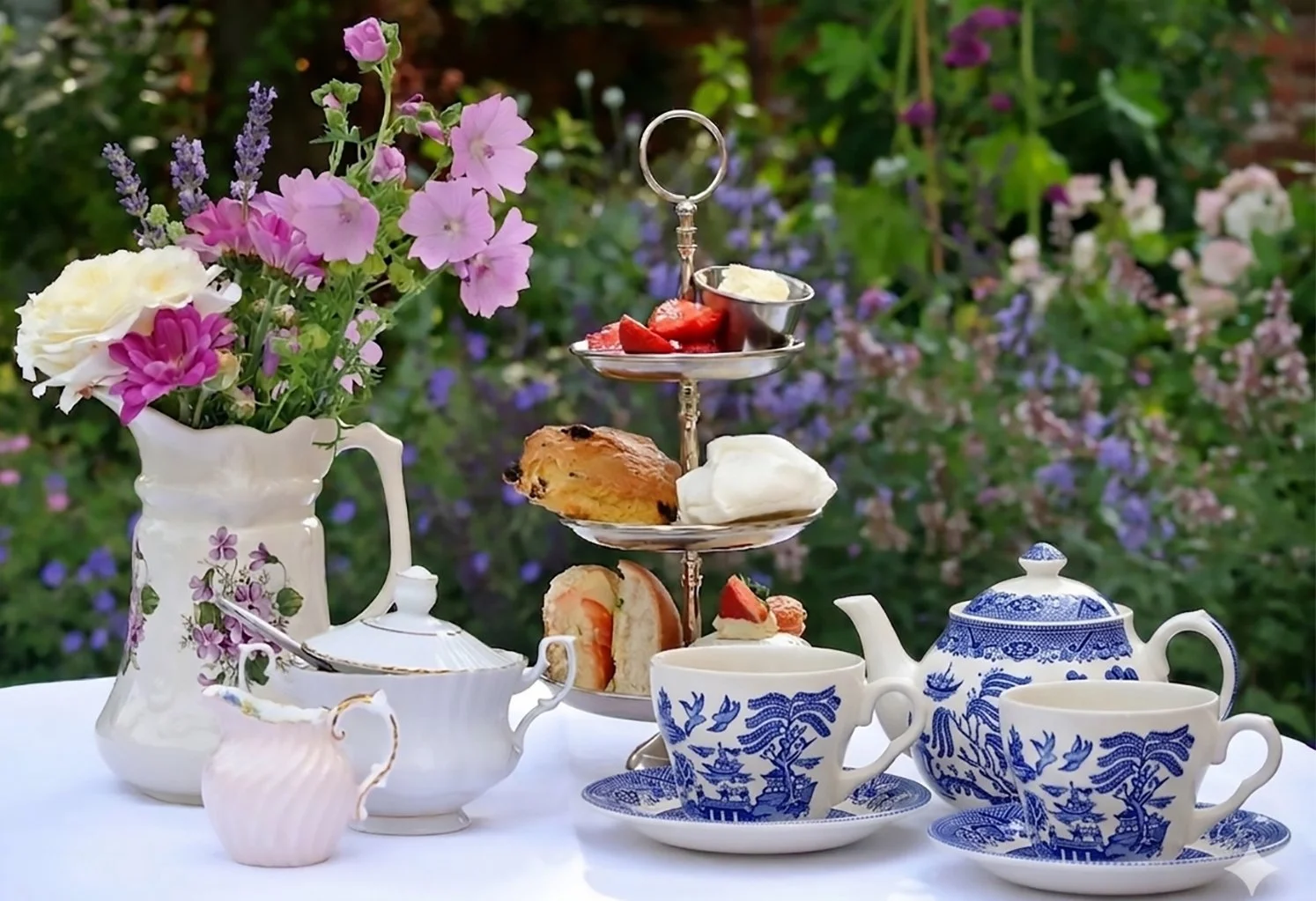
When taking tea in Britain it is important to know the ins and outs of this cherished tradition. Tea has been central to British life since the 17th century, when it first arrived from overseas and quickly became a national obsession. Today, the United Kingdom remains one of the world’s largest consumers of tea, with an astonishing 100 million cups enjoyed every single day. For the British, tea is more than refreshment — it is comfort, ceremony, and connection. As the saying goes, a cup of tea can solve anything.
 Tea Etiquette and Brewing Traditions
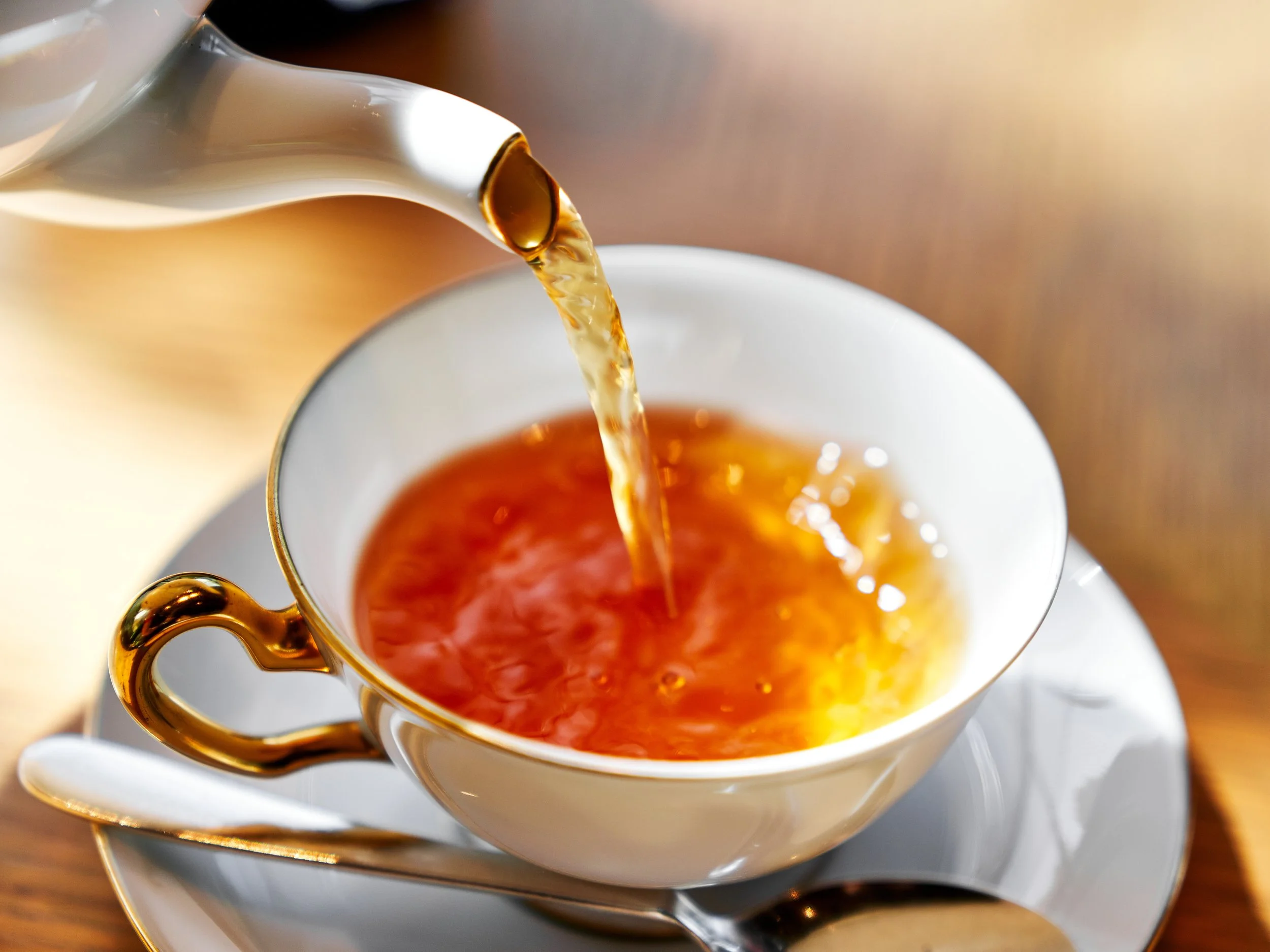
The etiquette of tea is as important as the drink itself. Black teas such as English Breakfast, Assam, and Darjeeling are steeped for three to five minutes to release their full flavour, while green teas require cooler water and only a minute or two of infusion. Herbal teas, from mint to chamomile, are brewed more gently, often chosen as caffeine‑free alternatives.
Traditionally, the host pours for guests, ensuring everyone’s cup is filled before their own. Tea is served from a pot into fine china cups, and even the act of stirring is done with care, avoiding the clink of spoon against porcelain. Milk is added to black teas — never cream — while Earl Grey is often enjoyed without milk, and green or herbal teas are served plain. Sugar may be offered, but many prefer to savour the natural flavour of the tea. These small rituals elevate tea from a simple beverage to a cultural ceremony.
Afternoon Tea – Elegance on a Tiered Stand
The tradition of afternoon tea was popularised in the 19th century by Anna, Duchess of Bedford, who sought a light meal to bridge the gap between lunch and dinner. What began as a private indulgence soon became a fashionable social occasion, and today afternoon tea remains a quintessential British experience. Finger sandwiches, small cakes, and desserts are accompanied by warm scones, ready to be lavished with clotted cream and jam — usually strawberry or raspberry, though lemon curd sometimes makes an appearance. Afternoon tea is typically taken around two or three o’clock in the afternoon, a pause between lunch and dinner that has become a celebrated social occasion.
At the beginning of the service, each guest selects their preferred tea. English Breakfast is a staple, despite its name being associated with mornings, while Earl Grey offers fragrant bergamot notes, and Darjeeling provides a more exotic choice. Caffeine‑free options such as mint or chamomile are also available. English Breakfast Tea is almost always served with milk, and for an added treat, some venues offer champagne alongside the tea. Coffee, however, is frowned upon at such occasions.
The art of afternoon tea is widely celebrated across Britain and venues across the country often host afternoon teas, but the most iconic remains The Ritz in London. Its afternoon tea is so popular that reservations are often filled months in advance — a true insider tip is to book early if you wish to experience this quintessential ritual at its finest. Click here to make your reservation on The Ritz London Website.
 Cream Tea – A Rustic West Country Treat
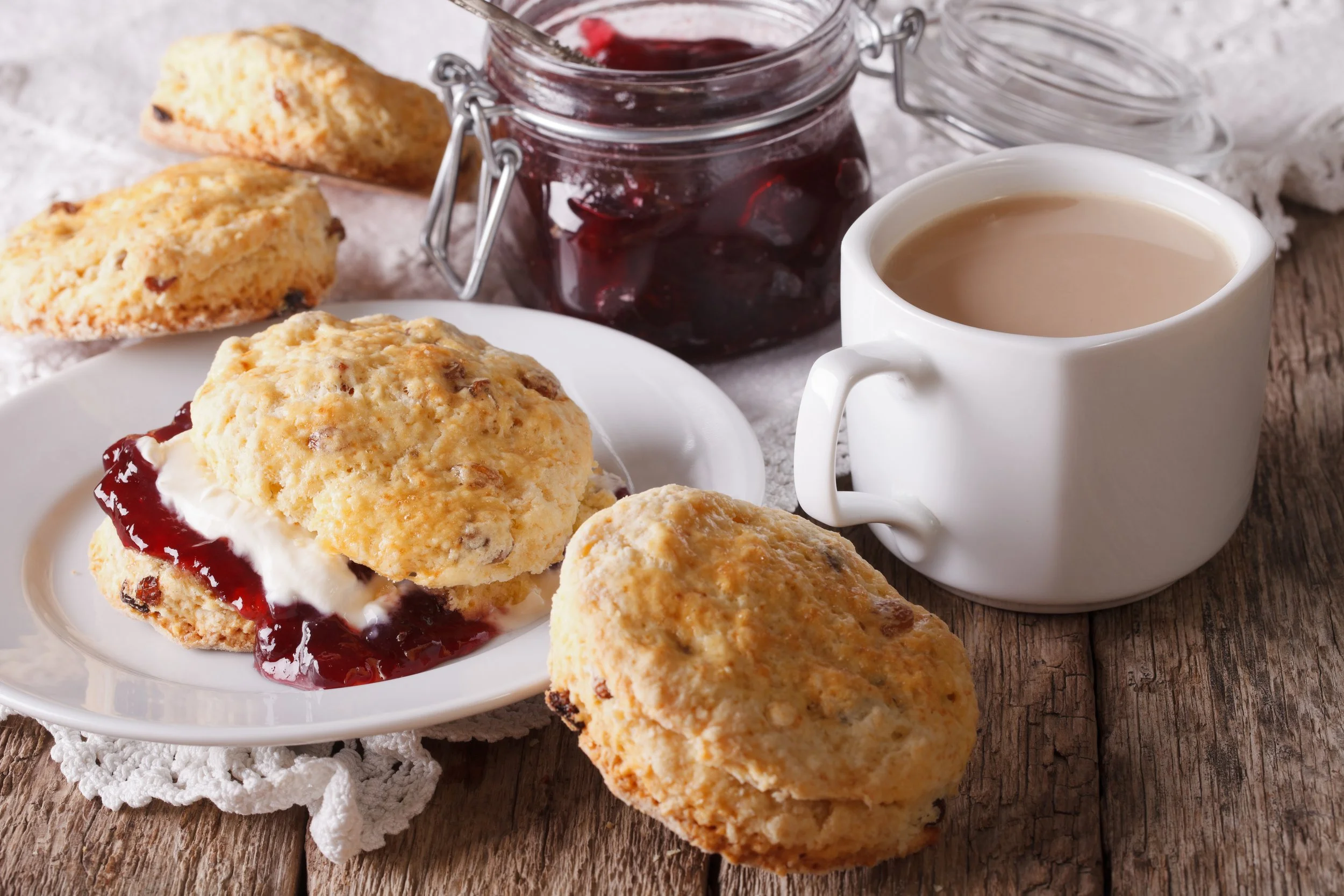
By contrast, cream tea is a simpler pleasure, rooted in the countryside traditions of Devon and Cornwall. A cream tea consists of a large pot of tea, usually English Breakfast, served with a small jug of milk, alongside two scones accompanied by pots of clotted cream and jam. Clotted cream is a delicacy in Britain, thick and rich, and the key is to use all of it on your scones. Despite the name, it is never added to the tea itself.
The great debate lies in the order of toppings. In Devon, the tradition is to spread the cream first and then add the jam on top. In Cornwall, the opposite is true: jam first, then cream. Both methods are fiercely defended by locals, and both are delicious.
 For travellers eager to savour the Cornish tradition in its authentic setting, the Enchanting Cornwall Tour offers the perfect opportunity. Alongside explorations of hidden fishing villages and dramatic coastal scenery, guests enjoy a traditional Cornish cream tea, served with jam first and cream second, exactly as local pride dictates. It is not only a culinary highlight but also a cultural immersion, allowing visitors to taste the heritage of Cornwall in the most delicious way possible.
Tea in Britain is more than a drink; it is a cultural ritual that reflects history, hospitality, and regional pride. Whether indulging in the sophistication of afternoon tea at The Ritz in London or enjoying a Cornish cream tea by the sea, visitors discover that tea is the heart of British life. With experiences such as the Enchanting Cornwall Tour, travellers experience a traditional Cornish cream tea as the British truly intend it, and perhaps, after a few cups, they will come to agree with the British belief that a cup of tea really can solve anything.
Learn more about The Enchanting Cornwall Tour 2026 or register for 2027 tours now.