
Prideaux Place: The Real Poldark Connection
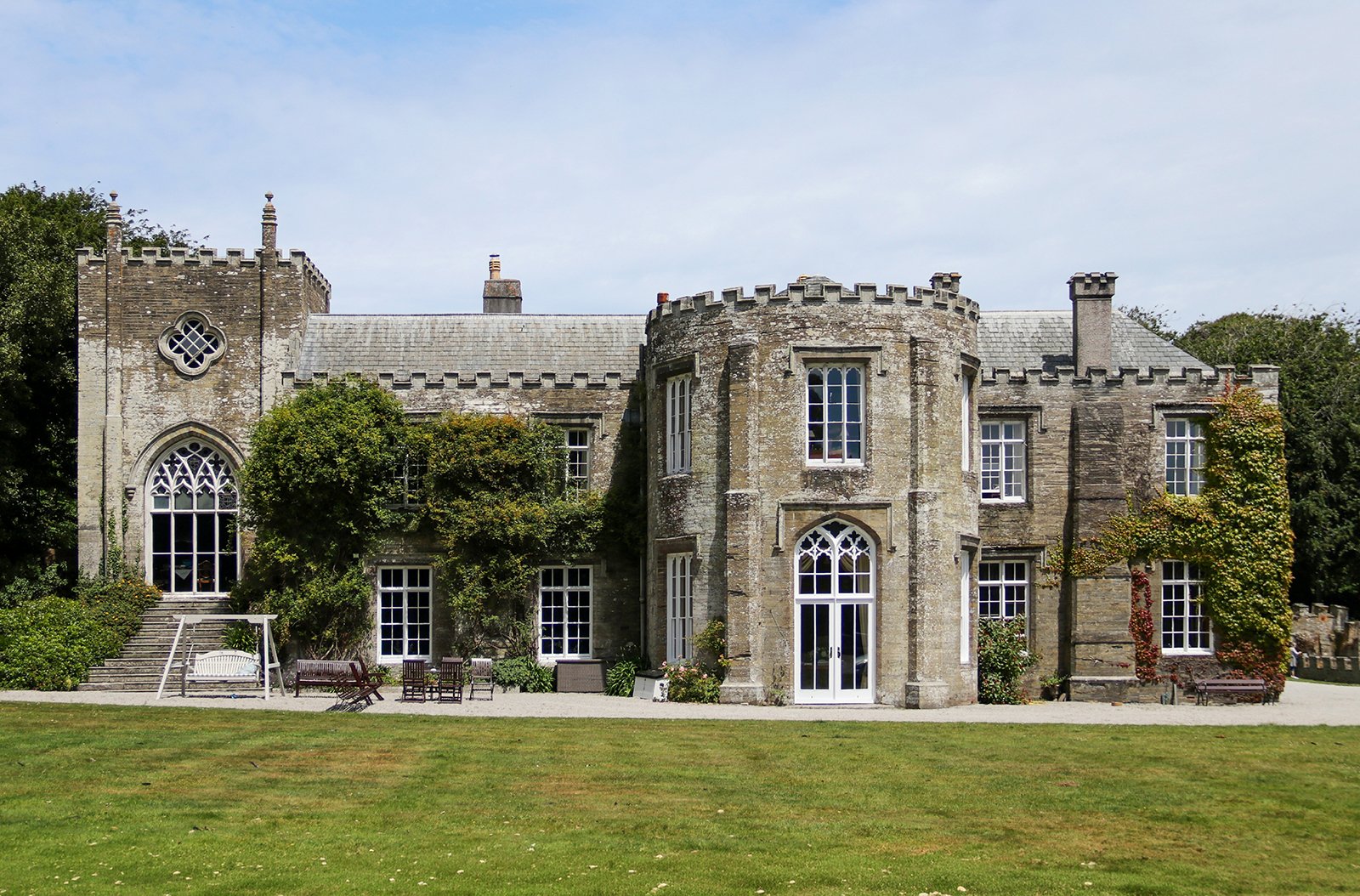
Prideaux Place, Cornwall — a real-life connection
A Manor With a Leading Role
Few television adaptations have felt as inseparable from their landscape as Poldark. Based on the novels of Winston Graham, the story found its setting not on a studio backlot but on the real cliffs and coastline of Cornwall, and nowhere is that connection deeper than at Prideaux Place, the Elizabethan manor above the fishing port of Padstow. The house has stood since 1592, and the family that built it still lives there today, which turns out to matter more to this story than any filming schedule. This is a house with unusually deep ties to one of the most talked-about British dramas of the last decade.
Two Poldarks, One Cornwall
American audiences have actually met Ross Poldark twice. The original BBC series, made in the 1970s, crossed the Atlantic as part of Masterpiece Theatre and became one of the most popular Masterpiece series ever broadcast. When the BBC returned to the story decades later, the 2015 version arrived on PBS the same way, introducing a new generation of viewers to a Cornwall that had barely changed in between. The Prideaux-Brune estate has its own small part in the 2015 production, while Cornwall’s coastline has been playing itself on screen for fifty years.
From the Page to the Cliff Top
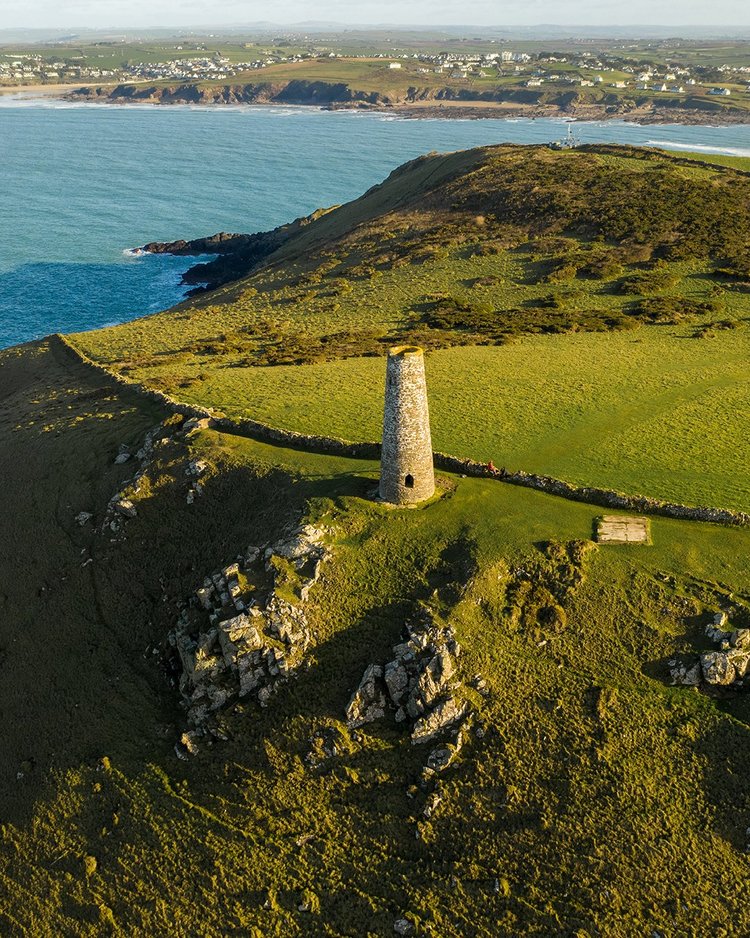
For the 2015 series, the production needed cliffs dramatic enough to carry the story, and found them at Stepper Point, on the Prideaux-Brune family’s own land above the Camel Estuary. Cameras rolled as horses and carriages thundered across the headland for the first time in decades, and the resulting scenes became some of the series’ most recognizable. It’s a short walk from the house itself, and the headland today looks much as it did on screen: dramatic, empty, and entirely real.
A Friendship Written Into the Story
Winston Graham’s connection to Prideaux Place went far beyond the estate’s later role in the television production. He was a close friend of the Prideaux-Brune family and a regular guest at the house for years before the 2015 series existed. During one of those visits, while he was working on what would become his final novel, a fire broke out at the property. His handwritten manuscript for Bella Poldark was found afterward, safe and undamaged.
The House Repaid the Visit
Graham gave the family’s name to a character of his own invention, Captain Philip Prideaux, and wrote Prideaux Place itself into the closing chapters of the saga, vividly enough that Ross Poldark rides up the very drive that guests walk today on their way into the grounds. It’s an unusual kind of tribute. Most novelists borrow a house’s atmosphere and leave its name out of it. Graham gave Prideaux Place a line in the story, and the family still speaks of him as a friend first and a famous visitor second.
A House Still Lived In
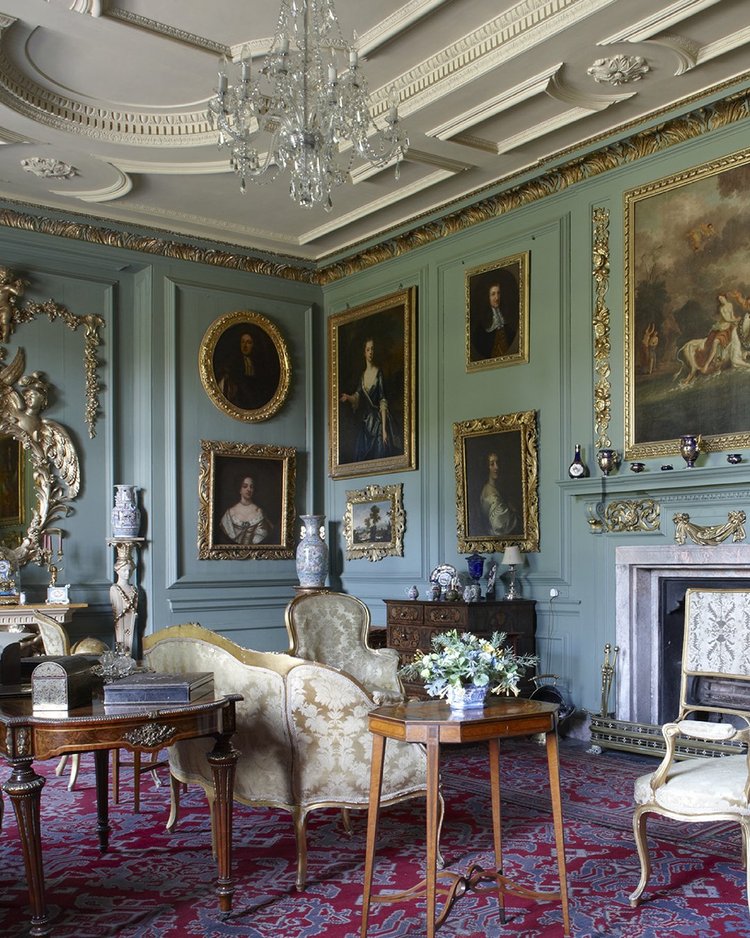
Unlike a set dressed for the cameras and struck afterward, Prideaux Place has remained a family home for more than four centuries, with successive generations of the Prideaux family continuing its long connection to the house. The building itself tells that story in its architecture: an Elizabethan core from 1592, layered with the lighter, more playful additions of eighteenth-century Strawberry Hill Gothic.
Of the manor’s eighty-one rooms, a handful are open to visitors. The Great Chamber holds an Elizabethan plasterwork ceiling only fully uncovered during restoration. The Grenville Room is paneled with fittings rescued from a grand Cornish house demolished in the 1720s, and the Main Hall’s cantilevered staircase, installed in the early 1700s, still carries the weight of every visitor who climbs it. The family’s collection of portraits and porcelain fills the rooms between them. Outside, the estate is home to a historic fallow deer herd thought to be one of the oldest park herds in the country.
The house has a habit of appearing on British television. The BBC’s Antiques Roadshow filmed an episode on the grounds in 2006, and German productions based on Rosamunde Pilcher’s novels have used it too. The estate’s Poldark connection, though, is another important part of its screen history.
One detail here has nothing to do with Poldark at all. The north wing still holds a quieter piece of history: Members of the U.S. Army’s 121st Engineer Combat Battalion left Prideaux Place in 1944 on their way toward the D-Day campaign.
Experience Poldark’s Cornwall
For travelers who want to experience the real Cornwall behind the drama — not just the version framed by a camera crew — our Enchanting Cornwall itinerary includes a visit to Prideaux Place itself, exploring the house and grounds that Winston Graham wrote into Bella Poldark, taking in the same Cornish landscape that has drawn film crews back to the region for decades. It’s a morning that blends storytelling, history, and landscape, and shows Cornwall through the eyes of the novelist who brought it so vividly to life.