
The Great British Summer: Five Defining Traditions
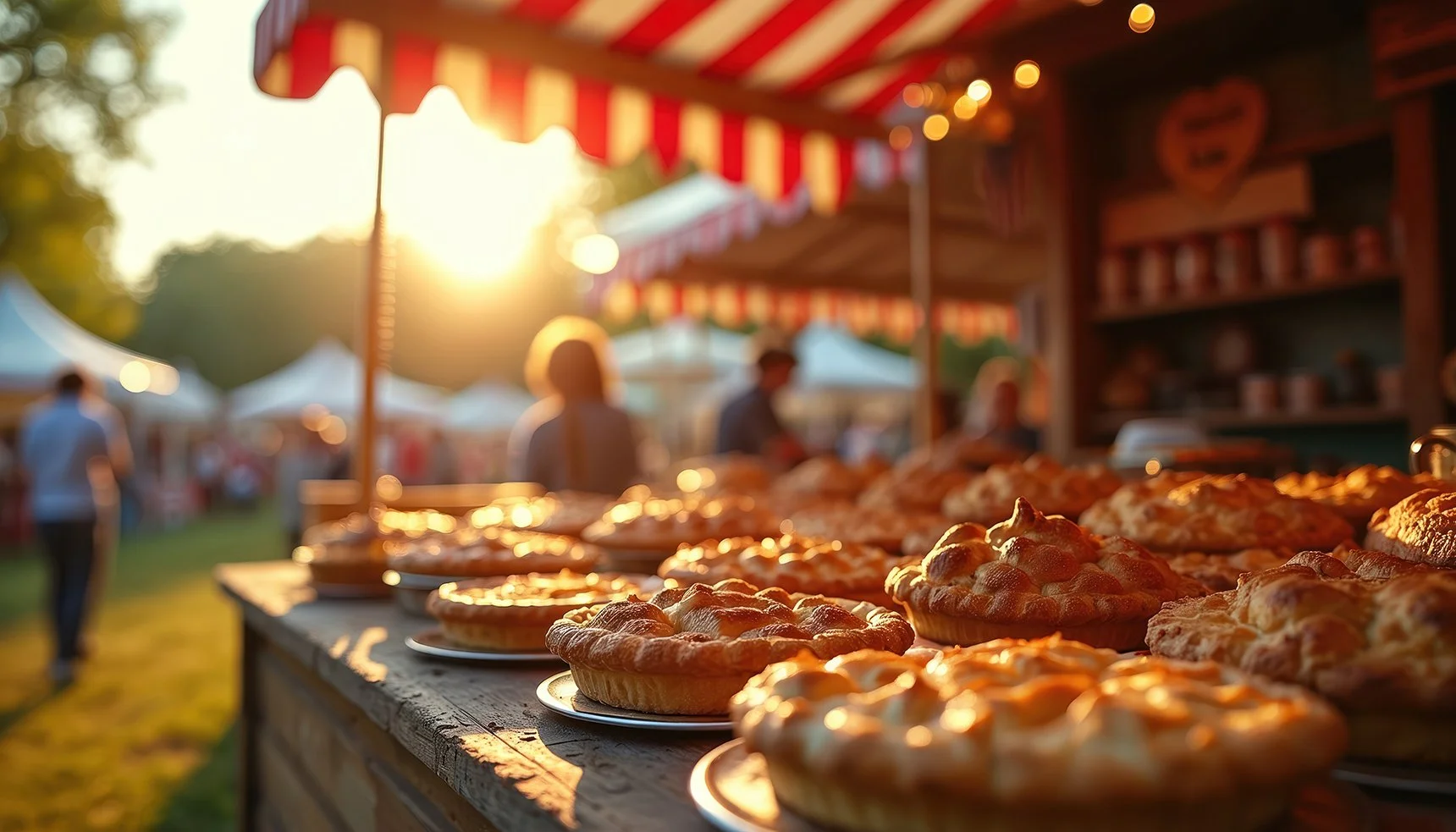
Ask a Briton about the summer and you will get a weather report. Ask what they are doing this weekend and you will get something else entirely. The British summer has never really been about the weather – it is a calendar of rituals, kept with great determination whatever the sky is doing.
Here are five traditions that help define the British summer — some unfolding now, some just passed, and some still to come.
The village fete and the country show
Every weekend from June to September, on village greens and in church grounds across the country, the trestle tables come out.
There is a tombola. There is a coconut shy. There is a competition to guess the weight of a cake, and another for the longest runner bean. There is a produce tent in which the vegetables are judged with a seriousness that startles first-time visitors. And there is always, without exception, a tea urn.
If you have watched The Vicar of Dibley and assumed the fete was comic invention, we can report that it is not. If anything, it is understated.
At the other end of the scale sit the great county agricultural shows. The largest is the Great Yorkshire Show at Harrogate, held this year from 14 to 17 July and now in its 167th year. It sold out completely. The Dales villages we come to know on our All Creatures tour keep their own show season much as they always have.
Standing at the Proms
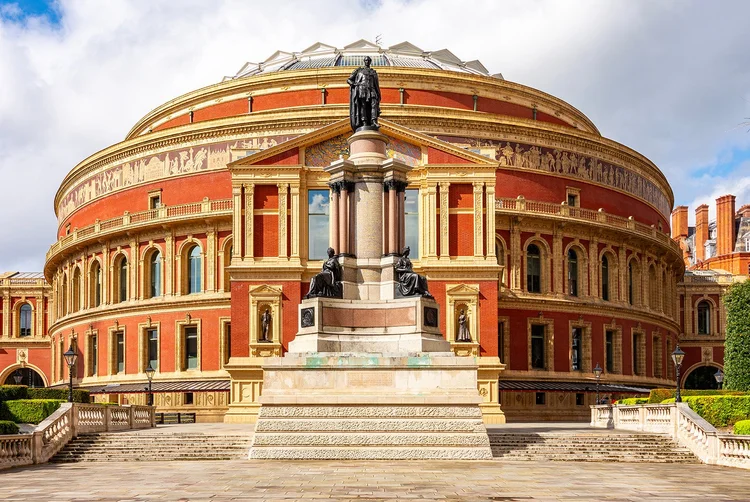
The BBC Proms began in 1895 with a simple idea: bring first-rate orchestral music to people who could not afford a concert hall. That idea survives in the arena of the Royal Albert Hall, where several hundred people still stand through every concert on a ticket sold on the door for around £8.
The 2026 season runs from 17 July to 12 September, and for American readers this is an unusually good year to pay attention. The whole season is built around a celebration of American music, marking 250 years since the signing of the Declaration of Independence. The Met Orchestra makes its Proms debut, the Los Angeles Philharmonic returns after nearly a quarter of a century, and there are new works from Wynton Marsalis and Jessie Montgomery.
The Last Night, on 12 September, is the one everybody knows: flags, Rule Britannia, Land of Hope and Glory, and a hall full of people behaving in a manner that would astonish anyone who believes the British to be reserved.
It is the sort of London that rewards knowing where to look – which is rather the point of our Hidden London mystery tour, running 21 to 27 June 2027.
Swan Upping
Some traditions resist summary. This is one of them.
For five days each July, six traditional rowing skiffs make their way up the River Thames. Aboard are the King’s Swan Marker and the Swan Uppers of the Vintners’ and Dyers’ livery companies, in scarlet uniform, each boat flying its own flag and pennant. Their task is to count the swans.
It is not merely ceremony. Every cygnet is weighed, measured and examined for injury, and the results form an annual census of the mute swan population of the Thames. The custom dates to the twelfth century, when swans were a prized food and the Crown claimed ownership of them. This year’s Upping ran from 13 to 17 July, from Sunbury Lock to Abingdon Bridge.
The National Eisteddfod
Wales holds the oldest of Britain’s summer gatherings, and remarkably few visitors have heard of it.
The National Eisteddfod is a week of music, poetry, performance and craft conducted entirely in Welsh. It has no permanent home; it moves to a different part of the country each year and a temporary town rises for the occasion. Its central events are the Crowning and the Chairing of the Bard, in which the year’s finest poets are honoured with real solemnity.
This year it is held in Pembrokeshire from 1 to 8 August, and it carries particular weight: 2026 marks 850 years since the first recorded Eisteddfod, held at Cardigan in 1176.
The Welsh language is no museum piece. You will hear it spoken daily in the walled towns and castle villages of the north, where our Wonders of Wales & England tours spend time in both 2026 and 2027.
The seaside, in all weathers
And finally, the ritual that explains the British better than any other.
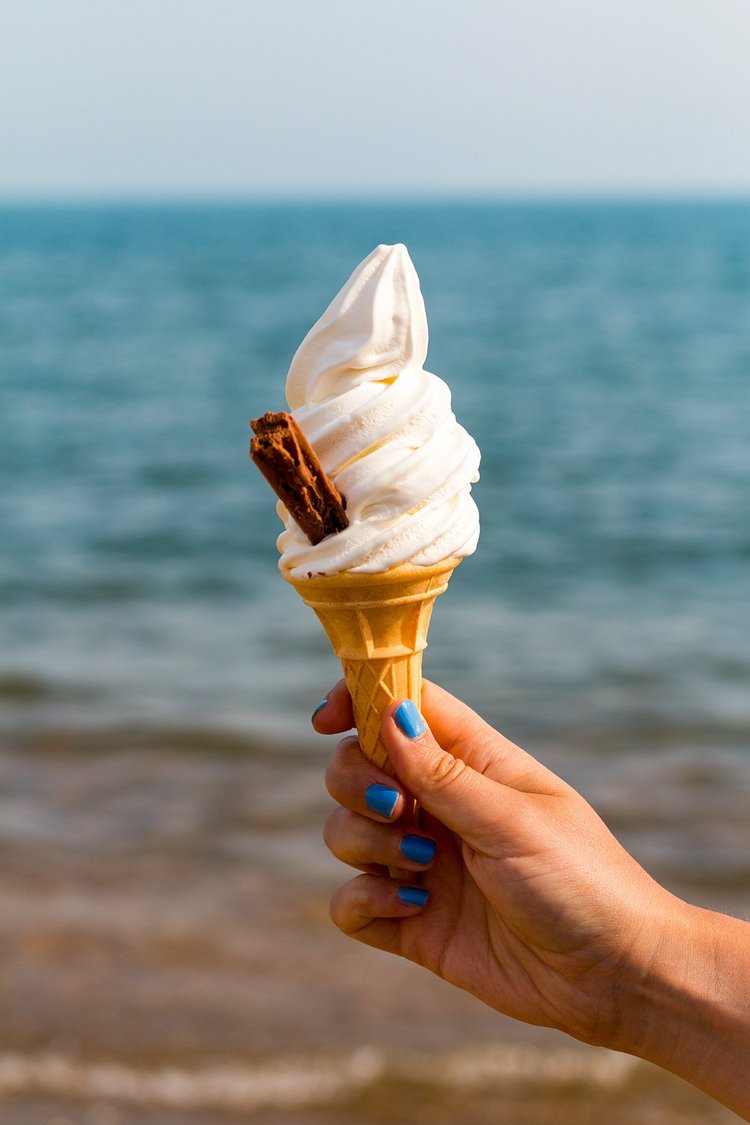
Somewhere on a shingle beach this weekend, a family will set out deckchairs and a windbreak, distribute sandwiches, and remain there for several hours in a stiff onshore breeze beneath a determinedly grey sky, insisting they are having a lovely time. And they will be.
The supporting customs are fixed. Fish and chips eaten from paper on the front. A "99" – soft ice cream with a chocolate flake pushed into it. A walk to the end of the pier and back, for no reason. And Punch and Judy, a puppet show first recorded in England by Samuel Pepys in his diary on 9 May 1662 and still performed on beaches today.
The harbours of Cornwall, the oyster town of Whitstable, the White Cliffs of Dover – we spend a good deal of time on this coastline, on Enchanting Cornwall and England On Screen respectively.
Whether the sun appears is, in the end, immaterial. It never really was the point.
Britain’s seasons have a way of revealing themselves through customs, places, and stories — the very things we love building into our tours. If you would like to experience them for yourself, our first 2027 tours are now open.