
A Victorian Christmas: How Dickens, Victoria and Albert Shaped the Holidays
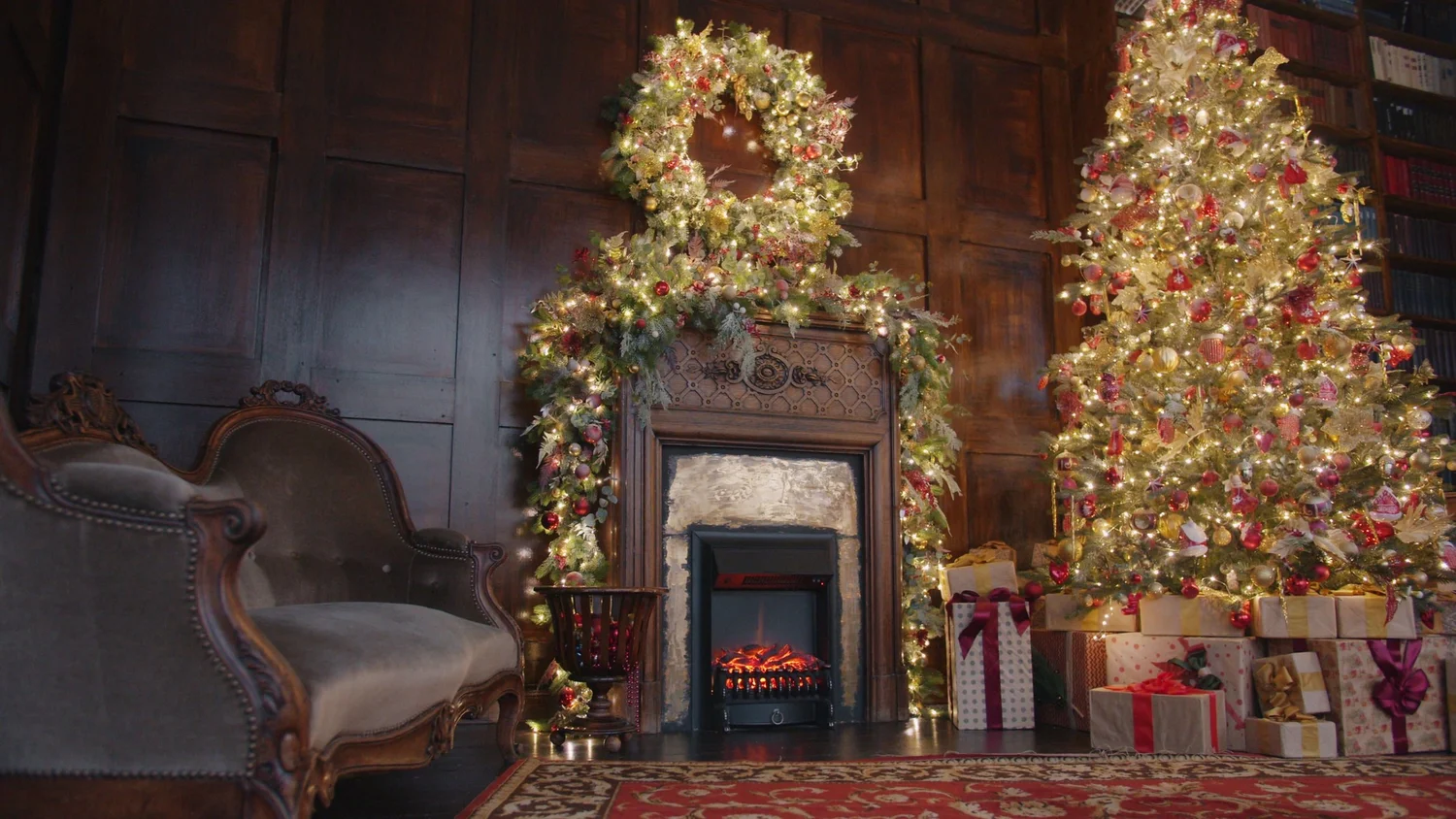
Many of the Christmas traditions we cherish today took shape in a single decade. In the 1840s, a novel, a royal family portrait and a printed greeting card changed the way England — and soon North America — celebrated the season.
The Victorians did not invent Christmas, but they gave it much of the form we recognize today: a celebration centered on family and home, generosity toward others, and a table, a tree and a mantelpiece dressed for the occasion. Here is how it came together, and where you can still experience a Victorian Christmas today.
A Story That Changed the Season
In the autumn of 1843, Charles Dickens wrote A Christmas Carol in around six weeks. It was published in London on December 19, and its first edition of 6,000 copies had sold out by Christmas Eve. The book has never been out of print since.
Dickens’s tale of Ebenezer Scrooge’s change of heart did more than entertain. Its scenes of the Cratchit family’s modest feast, Fezziwig’s joyful party and Scrooge’s newfound generosity helped fix the idea of Christmas as a time for family, charity and good cheer. When Scrooge wakes on Christmas morning and sends the prize turkey to Bob Cratchit’s family, he captures the spirit of giving that the Victorians embraced.
A Tree Fit for a Queen
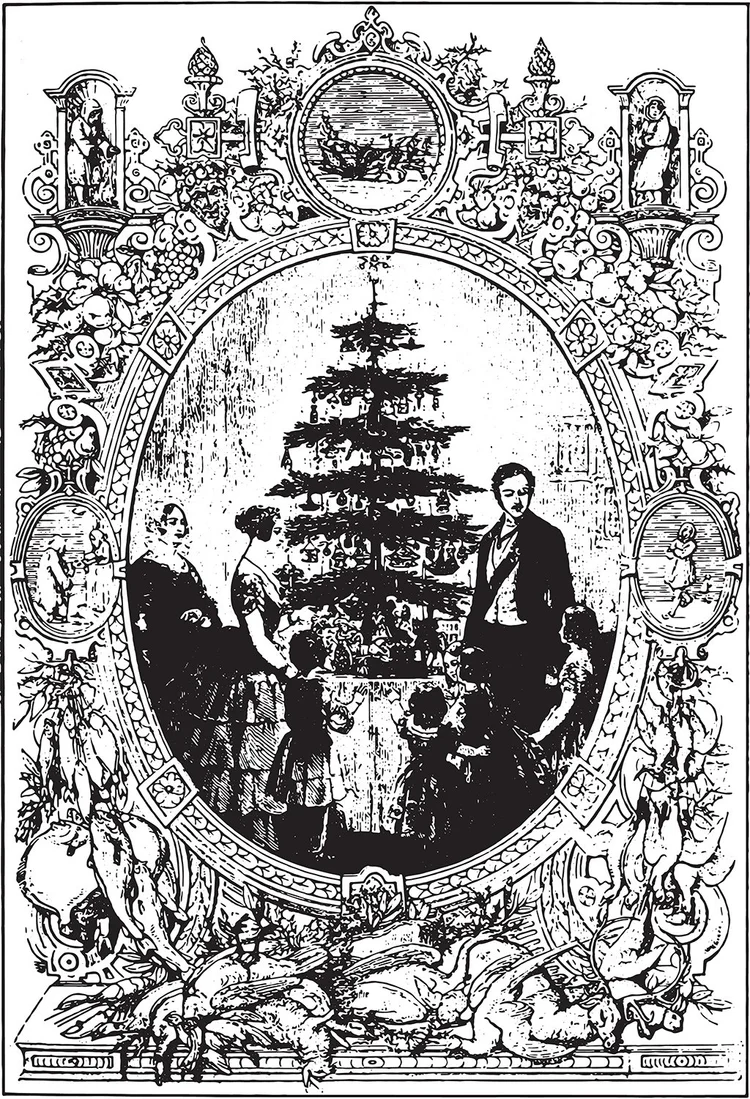
The decorated Christmas tree came to England from Germany. Queen Charlotte, the German-born wife of George III, set up the first known English Christmas tree at Windsor in December 1800, but for decades the custom remained largely confined to royal and aristocratic households.
That changed with Queen Victoria and her German husband, Prince Albert, who shared his love of the tradition with their growing family. In December 1848, the Illustrated London News published an engraving of the royal family gathered around a decorated tree at Windsor Castle, and families across Britain were soon eager to follow their example.
The image soon crossed the Atlantic. In 1850, the American magazine Godey’s Lady’s Book published its own version, with the royal details removed so the scene appeared as an elegant American family at home. It is widely credited with helping the Christmas tree take root in the United States.
Season’s Greetings by Post
The Christmas card was also born in Victorian London. Sir Henry Cole, a civil servant who had helped introduce the Penny Post in 1840 and later became the first director of the Victoria and Albert Museum, found himself with more seasonal letters than he could write. In 1843, he commissioned the artist John Callcott Horsley to design a printed card instead.
Around 1,000 copies were printed, and those Cole did not need were sold for a shilling each. The design showed three generations of a family raising a toast, with the greeting “A Merry Christmas and a Happy New Year to You.” As printing became cheaper, the custom spread, and the Christmas card soon became part of the season for families across Britain.
A Pop at the Table
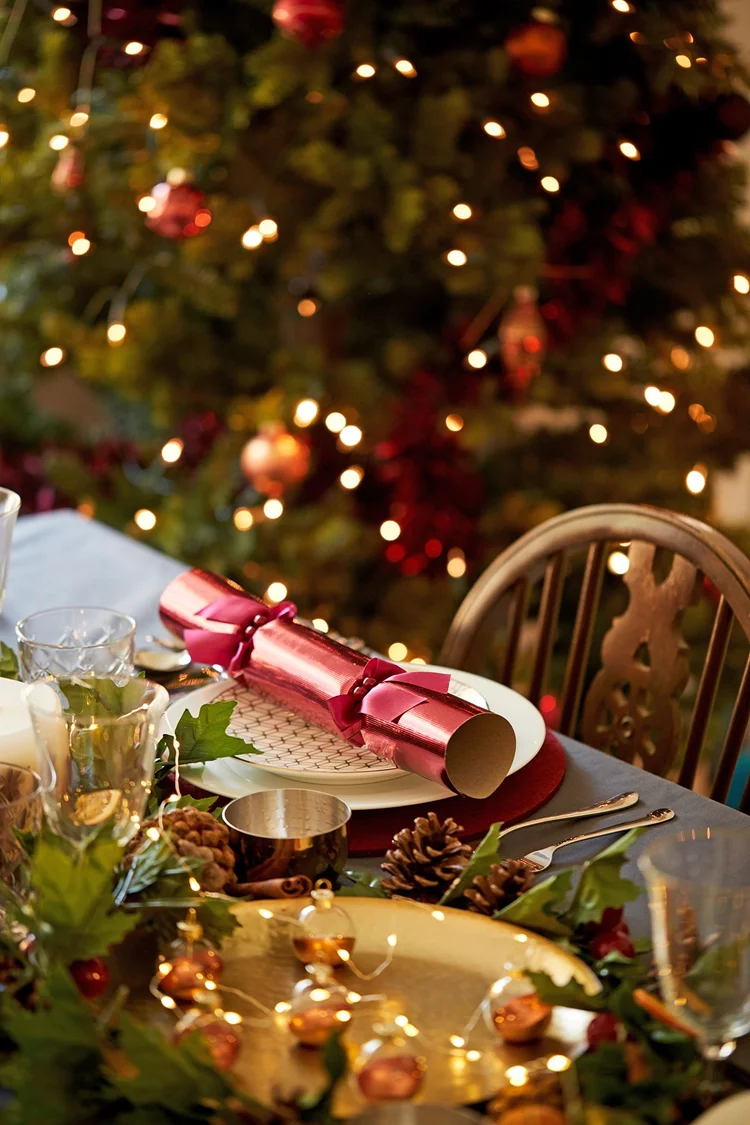
Few things say “English Christmas” quite like the Christmas cracker. Its story is usually traced to Tom Smith, a London confectioner who, on a trip to Paris, discovered the French bonbon — a sugared almond wrapped in a twist of paper. To make them more appealing, he tucked small mottoes inside, and over time the wrapper grew into the cracker familiar today, complete with its satisfying snap, a small gift and a paper crown. Crackers remain a fixture of the English Christmas table.
Carols, Old and New
The Victorians also revived the Christmas carol. Many older carols had fallen out of use, and clergymen and musicians set about collecting, translating and writing new ones. John Mason Neale wrote the words of “Good King Wenceslas” in 1853, and Christmas Carols New and Old, edited by Henry Ramsden Bramley and John Stainer, helped popularize favorites such as “The First Nowell,” “God Rest You Merry, Gentlemen” and “The Holly and the Ivy.” Many of the carols sung in English churches each December took their familiar form during this period.
Experiencing a Victorian Christmas Today
On our An English Christmas tour, these traditions come to life. In London, a Victorian Christmas tour explores how Dickens, Queen Victoria and Prince Albert influenced the modern holiday. In the countryside, we gather in an Elizabethan manor house for carols by the fire, mulled wine and mince pies, and we spend time at a Christmas market, where live music and caroling fill the air. Back in London, a candlelit Christmas concert in a London church brings the season to a beautiful close, with an optional choral Matins service on our final morning.
An English Christmas: Beauty from London to the Cotswolds runs from November 30 to December 5, 2027. Discover the full itinerary.
“God bless Us, Every One!”
— Tiny Tim, A Christmas Carol (1843)